Underwriting fuel and convenience net-lease deals with an investor's discipline — not a listing pitch. The risk lives in tenant credit and the environmental file. We read both before you wire.
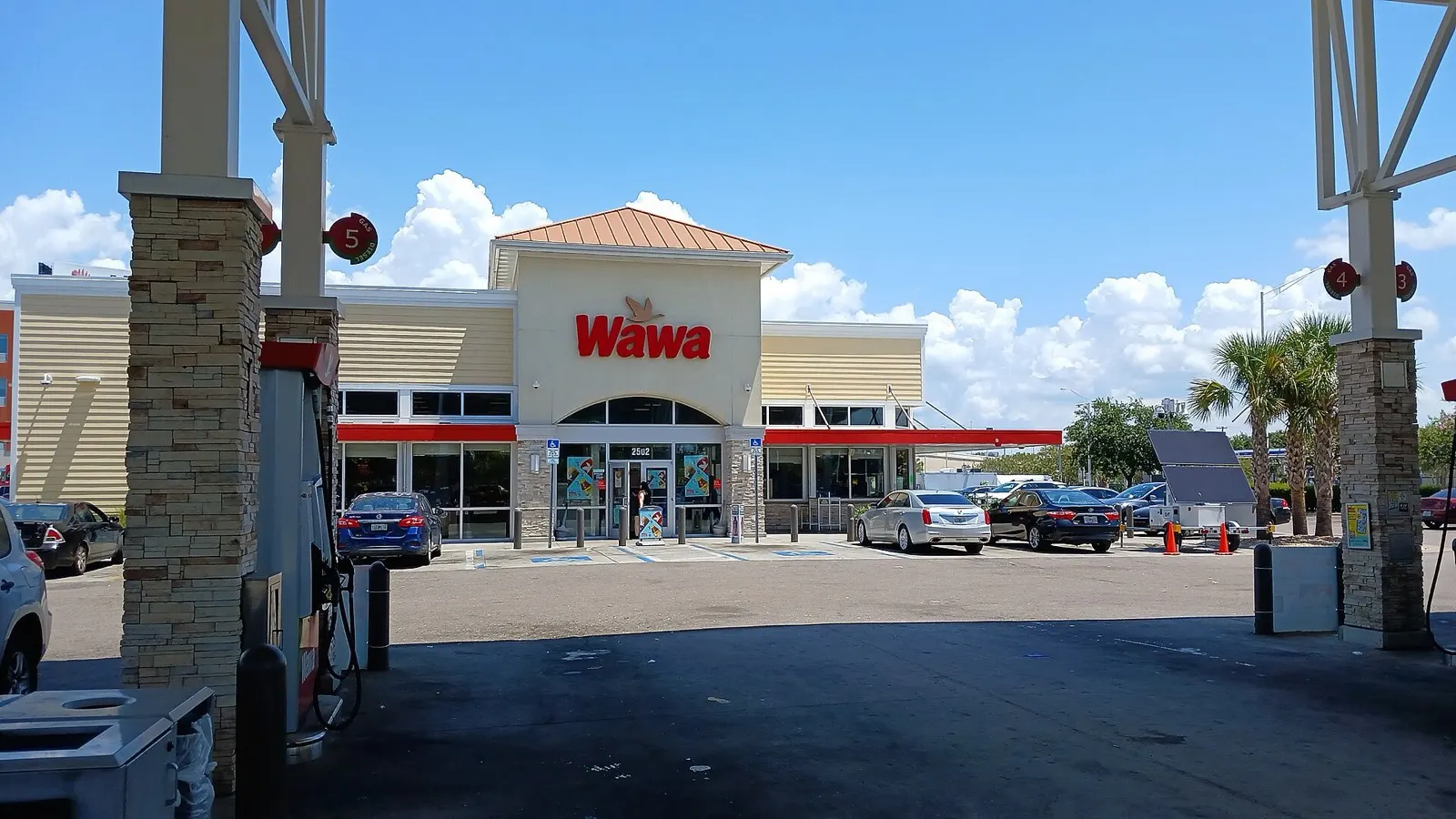
A gas station is one of the few net-lease assets where the building is almost beside the point. You are underwriting fuel volume, a corporate credit, and a tank in the ground.
Florida's population growth and toll-road traffic make it one of the deepest fuel and convenience-store markets in the Sun Belt. That depth attracts a lot of paper to market — and not all of it should be bought. The discipline that protects you is the same one institutional buyers apply: separate the real income from the pro-forma, the corporate guaranty from the franchisee, and the clean site from the one with a remediation history.
Two assets at the same cap rate can be worth very different prices. The variables that move a Florida gas station are the strength of the lease guaranty, the remaining term and rent escalations, the brand and store volume, the road position, and — decisively — the environmental condition of the site.
Own the land, not a ground lease. The corner is the irreplaceable part of the deal.
A corporate-backed lease prices tighter than a single-franchisee guaranty. Read who actually signs the rent.
Ten-plus years remaining with built-in rent bumps protects against inflation and re-leasing risk.
Phase I/II and underground storage tank compliance. On fuel, this is the deal-killer to clear first.
Gallons pumped and inside sales tell you whether the rent is covered and the location is durable.
Counts, access and competition decide whether the tenant renews — and at what rent.
Fuel and convenience sit alongside the rest of the single-tenant net-lease universe — quick-service, auto parts, dollar and pharmacy formats. For foreign and family-office capital, the appeal is the same: dollar-denominated, passive income backed by a long corporate lease. The full thesis and tenant criteria are on the NNN advisory page.
Typically high-5% to low-7%, depending on the corporate guaranty, remaining term, fuel brand, store volume and location. A franchisee-only guaranty should price wider than a corporate-backed lease.
Land ownership (fee simple vs. ground lease), the corporate guaranty, remaining term and escalations, fuel volume and store sales, the Phase I/II environmental report and tank compliance, and traffic counts. The environmental review is the deciding factor on most fuel deals.
Yes — usually through a U.S. LLC for liability and tax planning. Financing for non-residents is available with a larger down payment.
It can be, when the lease is corporate-guaranteed, the term is long with escalations, the dirt is fee simple and the environmental file is clean. The risk is concentrated in tenant credit and environmental liability — which is what underwriting is for.
Send me the OM and the rent roll. I'll tell you what the real cap is, where the risk sits, and whether it's worth pursuing — independent, buyer-side, no obligation.
Email carlos@balartre.com
Direct +1.786.603.3075
Office 1390 Brickell Ave, Suite 104 · Miami, FL 33131
Gas stations are one asset class in a broader single-tenant NNN mandate. See the full thesis, tenant criteria and how I work.
NNN Commercial Advisory →